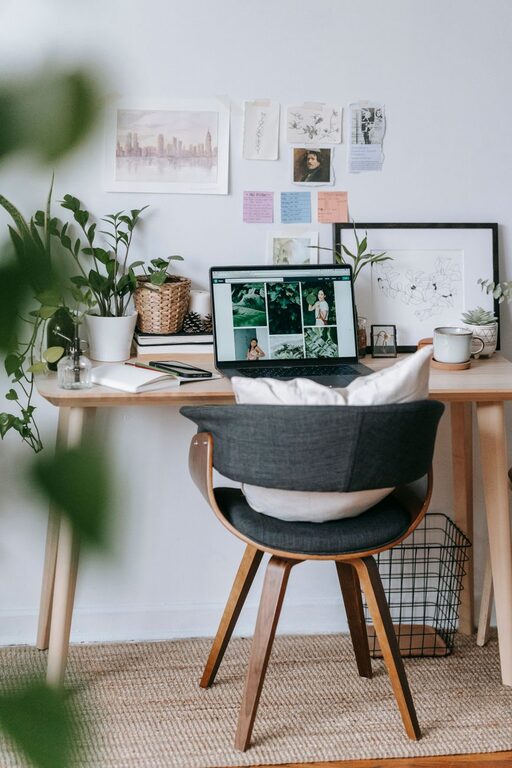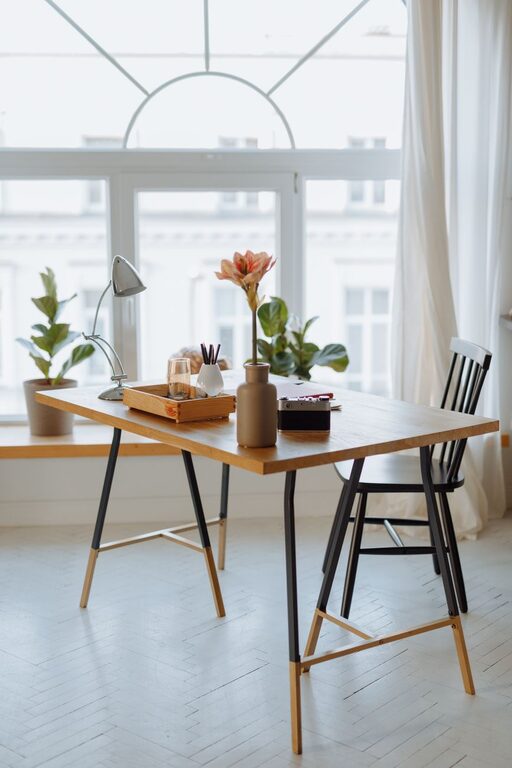
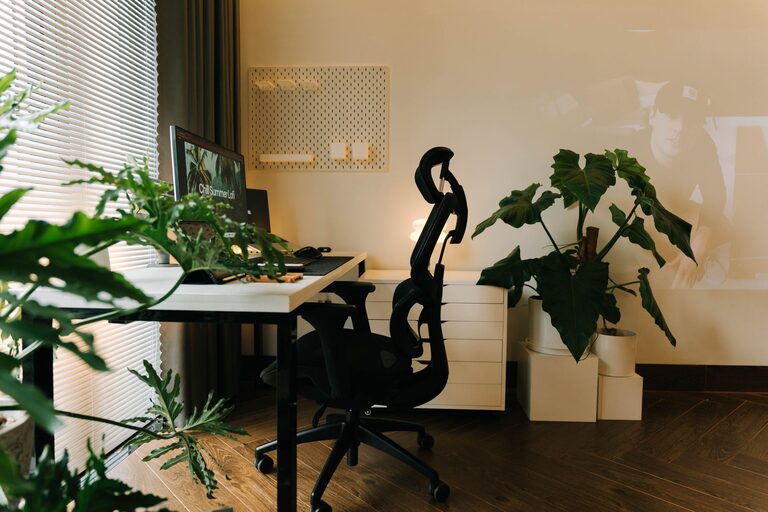
Creating a cozy and productive home office space is essential for anyone working from home or needing a dedicated area to focus on tasks. A well-designed workspace can improve concentration, reduce stress, and increase overall work satisfaction. Whether you have an entire room or just a small corner, these tips will help you set up an office that feels inviting and keeps you motivated.
1. Choose the Right Location
The first step in creating an effective home office is finding the ideal spot in your home. Consider these factors when selecting your workspace:
– Natural Light: Pick a location near a window if possible. Natural light helps improve mood and reduces eye strain.
– Quiet Environment: Aim for a quiet space away from distractions such as the television, kitchen, or main traffic areas.
– Space and Layout: Ensure you have enough room for your desk, chair, and any necessary equipment or storage.
A dedicated area specifically for work encourages mental separation between job and leisure time, which can help maintain a healthy work-life balance.
2. Invest in Comfortable and Functional Furniture
Comfort is key for long hours spent at your desk. Here’s what to consider:
Desk
Choose a desk size that fits your space but also allows room for your computer, notebooks, and any other tools you use regularly. Adjustable desks or standing desks are popular for promoting better posture and variety in movement throughout the day.
Chair
A good ergonomic chair supports your back, encourages good posture, and keeps you comfortable. Look for features such as adjustable height, lumbar support, and cushioned seating.
Additional Furniture
Consider adding small shelves, filing cabinets, or a side table to keep your workspace organized and clutter-free.
3. Optimize Lighting
Proper lighting reduces eye strain and sets a pleasant mood in your workspace.
– Use Natural Light: Position your desk to take advantage of daylight.
– Add Task Lighting: A desk lamp with adjustable brightness helps when working during evenings or in low-light areas.
– Avoid Glare: Make sure screens aren’t facing windows directly to prevent reflections.
Using layered lighting (a mix of ambient, task, and accent lighting) enhances the overall comfort and usability of your office.
4. Keep Your Workspace Organized
A cluttered workspace can increase stress and hinder productivity. Here are organization strategies:
– Use Storage Solutions: Drawers, bins, and organizers keep supplies neatly arranged.
– Maintain a Filing System: Categorize documents and use labels to find papers quickly.
– Declutter Regularly: Spend a few minutes at the end of each day clearing unnecessary papers and items.
A tidy desk instantly creates a more inviting and focused environment.
5. Personalize Your Space
Add elements that make your office feel uniquely yours. Personal touches can inspire creativity and relaxation.
– Decorate with Plants: Indoor plants add color and improve air quality.
– Add Artwork or Photos: Choose pictures or art that motivate or calm you.
– Use Colors Wisely: Soft, neutral tones promote calm, while pops of bright color can energize.
Personalizing your space doesn’t mean cluttering it—it’s about adding items that make you feel comfortable and happy.
6. Minimize Distractions
To stay productive, limit interruptions within your home office.
– Set Boundaries: Inform family or roommates of your work hours.
– Use Headphones: Noise-cancelling headphones can block out background noise.
– Control Technology: Turn off non-essential notifications and use apps that help you focus.
Building routines and clear rules helps maintain focus and work discipline.
7. Incorporate Technology Thoughtfully
Technology is crucial but should complement your work rather than overwhelm you.
– Invest in Reliable Hardware: A good computer, monitor, keyboard, and mouse enhance efficiency.
– Ensure Fast Internet: A stable internet connection avoids frustration during meetings and downloads.
– Organize Cables: Cord management tools prevent tangling and keep the desk neat.
Keeping your tech optimized and accessible helps avoid interruptions and supports smooth workflow.
8. Take Breaks and Move Around
Even with a perfect setup, it’s important to take short breaks and stretch regularly. This helps reduce fatigue and keeps you energized. Consider:
– Using a timer or app to remind you to stand or walk every hour.
– Setting up a small area for light stretching or yoga.
– Drinking plenty of water and stepping outside for fresh air when possible.
Moving throughout the day supports both physical health and mental clarity.
—
Creating a cozy and productive home office is a balance between functionality and comfort. Thoughtful choices in location, furniture, lighting, organization, and personalization can transform your workspace into a place you enjoy spending time in. When you feel good in your environment, it’s easier to stay motivated and accomplish your goals. Start with these tips and adjust your setup to fit your unique needs and style for the best results.